

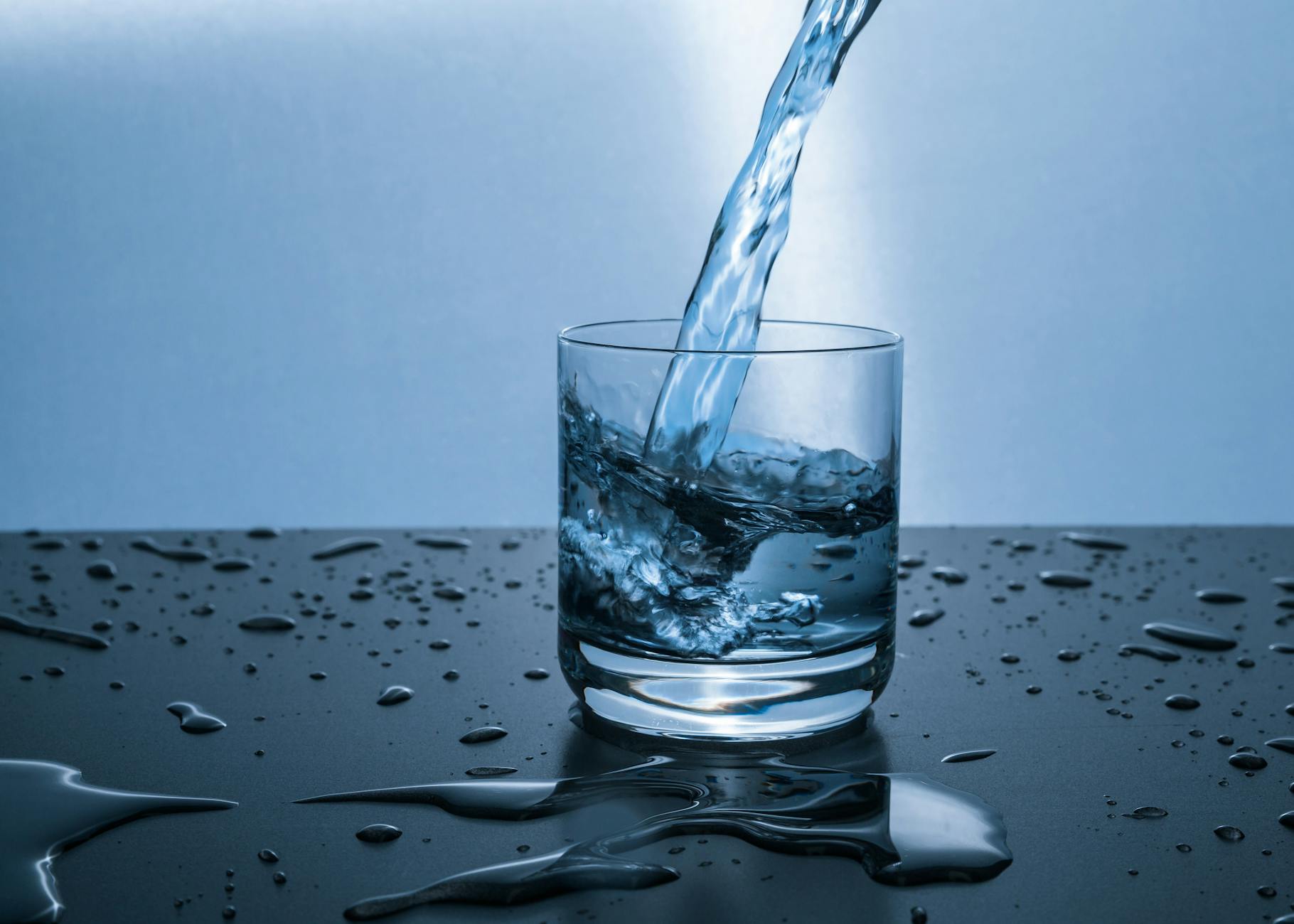
In our ongoing journey to unlock the secrets of optimal physical performance, today we turn our attention to a fundamental yet often underestimated aspect of training: hydration. As a dedicated physical therapist, I've seen firsthand the profound impact that proper hydration can have on athletic prowess and overall well-being. So, let's dive into the importance of hydration and explore how staying adequately hydrated can elevate your performance to new heights.
The Science of Hydration:
First and foremost, let's understand why hydration is so crucial for physical performance. Our bodies are composed of approximately 60% water, and water plays a vital role in nearly every bodily function. From regulating body temperature to lubricating joints and transporting nutrients, water is the elixir of life that keeps our physiological machinery running smoothly.
During exercise, the body loses water through sweat to cool itself down, leading to fluid loss and potential dehydration if not replenished adequately. Even mild dehydration can impair physical performance, leading to fatigue, decreased endurance, and diminished cognitive function—none of which are conducive to achieving your fitness goals.
Be Your Best Self by Optimizing Performance Through Hydration:
Now that we understand the science behind hydration, let's explore how staying adequately hydrated can optimize physical performance:
- Improved Endurance: Dehydration can impair cardiovascular function, making it harder for the heart to pump blood and deliver oxygen to working muscles. By staying hydrated, athletes can enhance endurance and sustain peak performance for longer durations.
- Enhanced Thermoregulation: Sweating is the body's natural mechanism for cooling down during exercise. However, inadequate hydration can hinder this process, leading to overheating and increased risk of heat-related illnesses. By maintaining proper hydration levels, athletes can support efficient thermoregulation and reduce the risk of heat exhaustion or heatstroke.
- Faster Recovery: Hydration plays a crucial role in post-exercise recovery by facilitating the transport of nutrients to muscle cells and removing metabolic waste products. Adequate hydration can speed up recovery times, allowing athletes to bounce back faster and train more effectively.
- Optimal Cognitive Function: Dehydration can impair cognitive function, including concentration, decision-making, and reaction time—all of which are essential for peak athletic performance. By staying hydrated, athletes can maintain mental clarity and stay focused during training and competition.
Tips for Staying Hydrated:
Now that we understand the importance of hydration, let's discuss some practical strategies for staying adequately hydrated:
- Drink Water Regularly: Make it a habit to sip water throughout the day, not just during workouts. Aim to drink at least eight 8-ounce glasses of water daily, and adjust your intake based on activity level, climate, and individual sweat rate.
- Monitor Urine Color: Keep an eye on the color of your urine as a simple indicator of hydration status. Pale yellow or clear urine generally indicates adequate hydration, while dark yellow urine may signal dehydration.
- Electrolyte Balance: During prolonged or intense exercise, replenishing electrolytes lost through sweat is essential. Consider consuming sports drinks or electrolyte-rich foods to maintain electrolyte balance and prevent hyponatremia (low sodium levels).
- Pre- and Post-Workout Hydration: Drink water before, during, and after exercise to stay hydrated and support recovery. Aim to consume fluids containing carbohydrates and electrolytes for optimal hydration and fueling.
- Listen to Your Body: Pay attention to thirst cues and listen to your body's signals for hydration. Don't wait until you feel thirsty to drink water, as thirst is often a late indicator of dehydration.
In conclusion, hydration is not just a minor detail in your training regimen—it's the cornerstone of peak physical performance. By prioritizing hydration and adopting healthy hydration habits, athletes can unlock their full potential and achieve their fitness goals with greater ease and efficiency.
Until next time, stay hydrated and keep pushing towards your personal best!
Dr. Jason Cooper, PT, DPT, CSCS, ART