
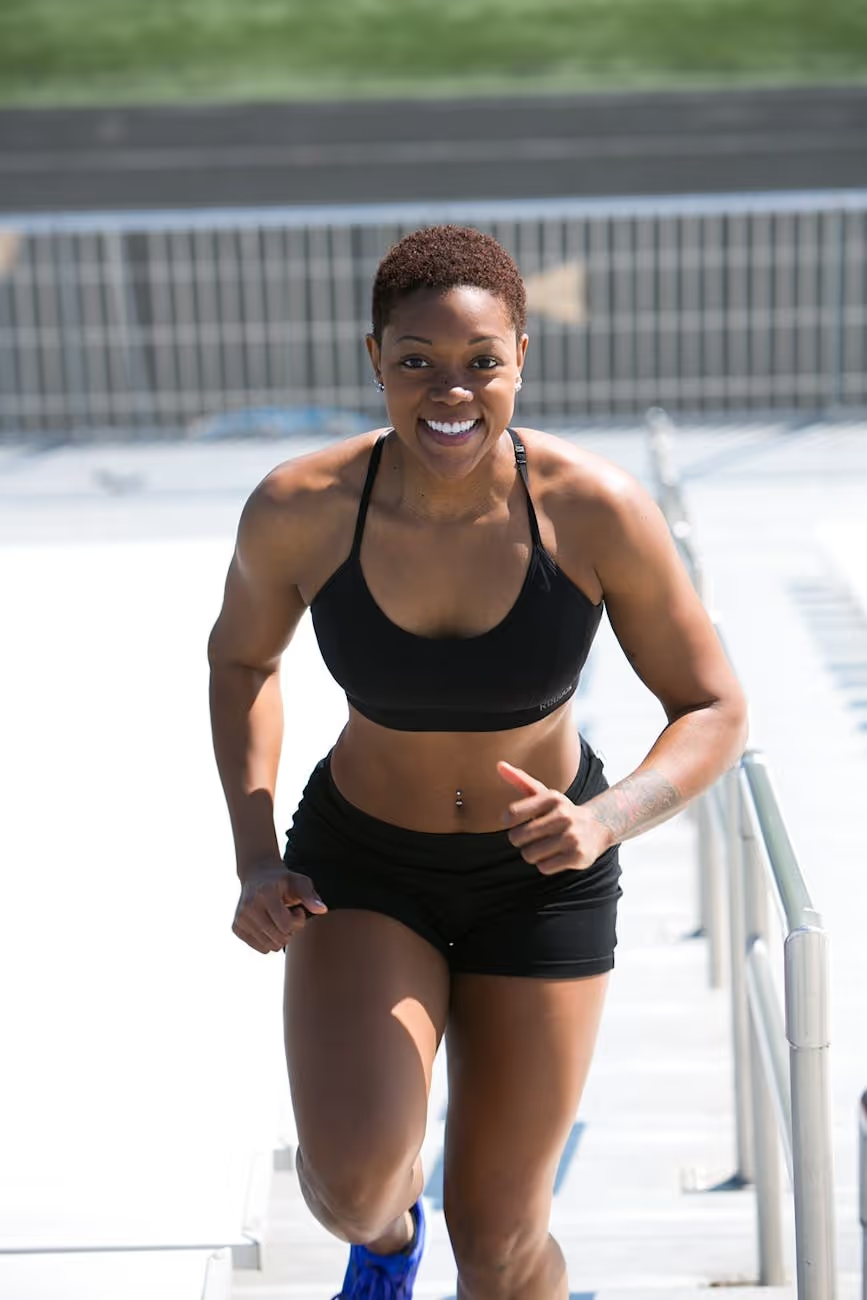
Running is one of the most popular forms of exercise, offering a multitude of benefits from improved cardiovascular health to enhanced mental well-being. However, like any physical activity, running carries the risk of injury. To be a safe and strong runner strengthen your hips, specifically the gluteus medius and gluteus maximus. These muscles play a pivotal role in stabilizing the pelvis and controlling the movements of the lower limbs.
The Role of the Glutes in Running
Gluteus Medius
The gluteus medius is located on the side of the hip. Its primary function is to stabilize the pelvis during the stance phase of running, when one leg supports the body's weight. A strong gluteus medius helps prevent excessive side to side movement. This stability is crucial for efficient and safe running mechanics, reducing the strain on other muscles and joints.
Gluteus Maximus
The gluteus maximus is the largest and most powerful muscle in the gluteal group. It is primarily responsible for hip extension, which is a key movement in running. This muscle generates the force needed for propulsion, helping to drive the leg backward and propel the body forward. A strong gluteus maximus ensures that the hip extension is powerful and efficient, contributing to better running performance and reduced fatigue.
How Weak Glutes Increase Injury Risk
1. Pelvic Instability
Weakness in the gluteus medius can lead to pelvic instability, causing excessive tilt and rotation of the pelvis during running. This instability can cascade down the kinetic chain, leading to compensatory movements and increased stress on the knees, ankles, and lower back. Common injuries associated with pelvic instability include iliotibial (IT) band syndrome, patellofemoral pain syndrome, and lower back pain.
2. Poor Hip Control
Without adequate strength in the gluteus maximus, runners may struggle to maintain proper hip extension. This can result in over-reliance on the hamstrings and lower back muscles, increasing the risk of strains and overuse injuries in these areas. Additionally, poor hip control can lead to inefficient running mechanics, such as overstriding, which can further exacerbate the risk of injury.
3. Compensatory Movements
Weak gluteal muscles often lead to compensatory movements where other muscles take on roles they are not meant to handle. For instance, the quadriceps and lower back muscles may overcompensate for the lack of hip stability and power, leading to muscular imbalances and increased risk of injury in these areas.
Benefits of Strengthening the Gluteus Medius and Maximus
1. Improved Running Mechanics
Strengthening the gluteus medius and maximus promotes better alignment and control of the pelvis and hips. This improvement in running mechanics helps to distribute the impact forces more evenly across the body, reducing the risk of stress-related injuries.
2. Enhanced Stability and Balance
A strong gluteus medius enhances lateral stability, reducing the risk of ankle sprains and other lower limb injuries. Improved balance also contributes to a more efficient and fluid running gait.
3. Increased Propulsion and Speed
With a strong gluteus maximus, runners can generate more powerful hip extensions, translating into increased propulsion and speed. This enhanced performance also means that runners can maintain their form and efficiency over longer distances, reducing the likelihood of fatigue-related injuries.
4. Reduced Compensatory Strain
By strengthening the gluteal muscles, runners can prevent compensatory movements that place undue stress on other muscle groups and joints. This balance helps to maintain overall musculoskeletal health and decreases the risk of overuse injuries.
Effective Exercises for Gluteal Strength
1. Glute Bridges
Glute bridges are an excellent exercise for targeting the gluteus maximus. They help to strengthen the muscles responsible for hip extension and improve overall pelvic stability.
2. Side-Lying Leg Lifts
Side-lying leg lifts focus on the gluteus medius, enhancing lateral stability and pelvic control. This exercise is particularly effective in preventing pelvic drop during the stance phase of running.
3. Clamshells
Clamshells are another great exercise for the gluteus medius. They help to improve hip abduction strength, contributing to better pelvic and lower limb alignment.
4. Squats and Lunges
Both squats and lunges engage the gluteus maximus and medius, promoting overall lower body strength and stability. These compound movements are highly functional and directly applicable to the demands of running.
Conclusion
For runners, the importance of strengthening the gluteus medius and maximus cannot be overstated. These muscles are integral to maintaining proper running mechanics, ensuring pelvic stability, and generating the power needed for efficient movement. By incorporating targeted gluteal strengthening exercises into their training routines, runners can significantly reduce their risk of injury, enhance their performance, and enjoy a healthier, more sustainable running experience. Prioritizing gluteal strength is a proactive step towards long-term running success and overall musculoskeletal health.