
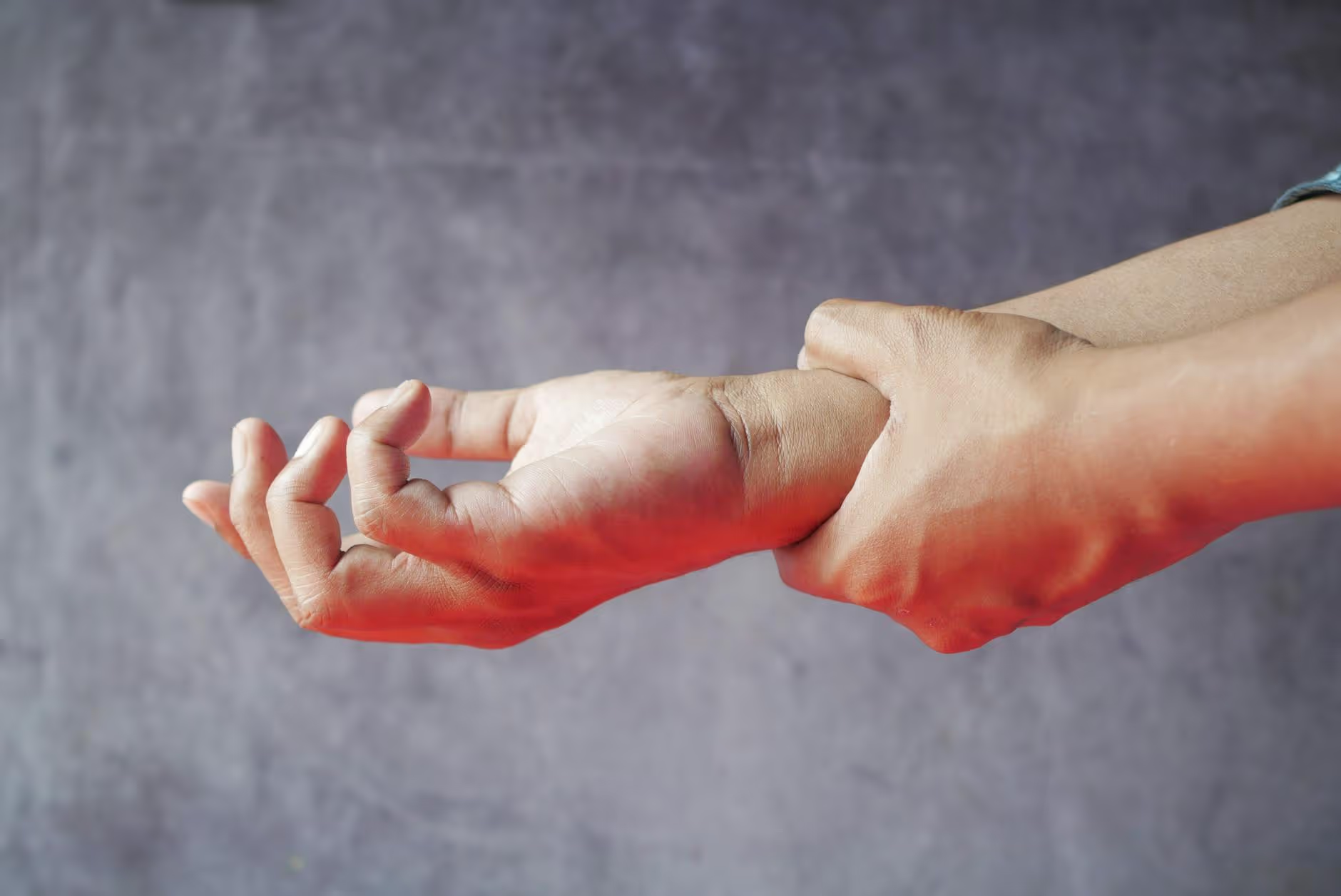
As a sports physical therapist, I'm here to shed some light on the often-confusing world of sports injuries. Whether you're a seasoned athlete or just starting your fitness journey, it's essential to understand the differences between common injuries like spasms, strains, sprains, and tears. Knowing what you're dealing with can make all the difference in how you approach treatment and recovery.
Spasms: The Involuntary Muscle Contraction
Let's start with spasms. These involuntary muscle contractions can range from annoying twitches to painful cramps. Spasms occur when muscles contract and don't relax, often due to fatigue, dehydration, or electrolyte imbalances. While spasms can be uncomfortable, they typically resolve on their own with rest, hydration, and gentle stretching.
Healing Time: Spasms usually subside within a few minutes to hours, depending on their severity and underlying cause.
Strains: When Muscles Get Overworked
Next up, strains. A strain occurs when a muscle or tendon is stretched or torn due to overuse, improper technique, or sudden movements. Commonly referred to as "pulled muscles," strains can range from mild to severe, with symptoms including pain, swelling, and limited range of motion. Strains are graded on a scale of 1-3, 1 being mild, 3 being most severe.
Healing Time: Mild strains may heal within a few days to a couple of weeks with rest, ice, compression, and elevation (RICE). More severe strains may require several weeks or months of modification and rehabilitation.
Sprains: Ligaments Under Pressure
Now, let's talk about sprains. Unlike strains, which affect muscles and tendons, sprains involve ligaments—the tough bands of tissue that connect bones at joints. Sprains typically occur when a joint is forced beyond its normal range of motion, causing the ligaments to stretch or tear. Symptoms include pain, swelling, bruising, and instability in the affected joint.
Healing Time: Mild sprains may improve within a few days to weeks with conservative treatment. However, moderate to severe sprains may require several weeks or even months to fully heal, depending on the extent of the injury and the joint involved.
Tears: When Tissue Gives Way
Last but not least, tears. A tear occurs when soft tissue—such as muscles, tendons, or ligaments—suffers significant damage, either from overstretching or a direct impact. Tears can vary in severity, from small, partial tears to complete ruptures. Symptoms include severe pain, swelling, bruising, and sometimes a noticeable gap or deformity in the affected area.
Healing Time: The healing time for tears depends on the type and severity of the injury, as well as its location. Minor tears may heal within a few weeks with rest and rehabilitation, while more severe tears may require surgery and several months of recovery.
Wrapping Up
Understanding the differences between spasms, strains, sprains, and tears is crucial for effective injury management and recovery. If you're unsure about the severity of your injury or how to proceed with treatment, don't hesitate to seek advice from a sports physical therapist or healthcare professional. Remember, proper rest, rehabilitation, and patience are key to a successful recovery and getting back to doing what you love—whether it's hitting the gym, pounding the pavement, or dominating on the field. Stay safe and keep moving!